
🇲🇦 Morocco: The Blueprint for a Pan-African Football Renaissance
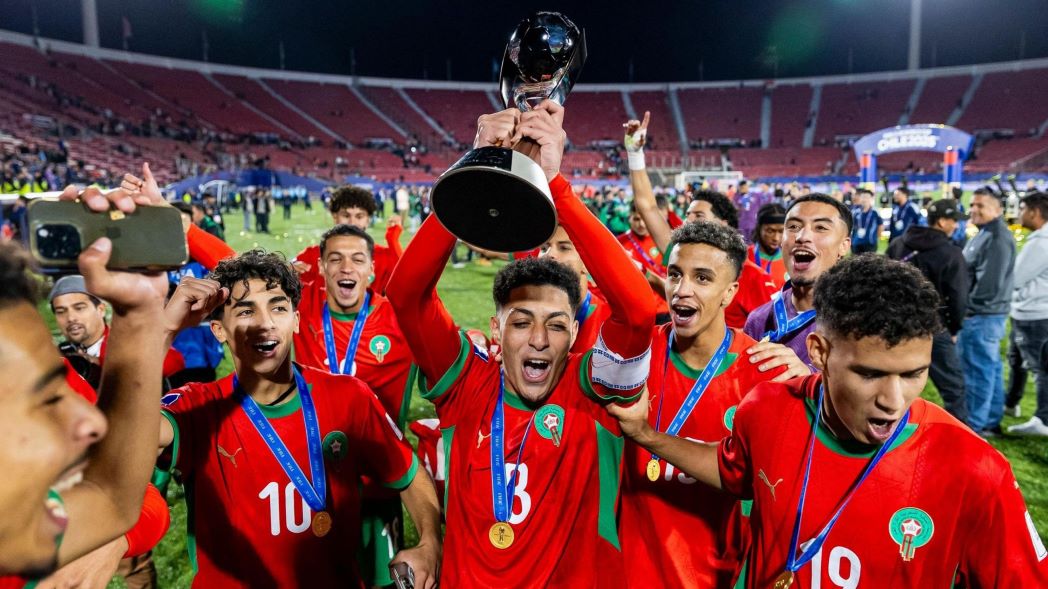
The historic triumph of Morocco at the 2025 FIFA U-20 World Cup—defeating six-time champions Argentina in the final—isn’t just a win; it’s a profound declaration. This victory, coupled with their 2022 World Cup Semi-Final run, 2024 Olympic Bronze, and the success across all youth categories, proves what happens when visionary leadership meets sustained, structured investment.
This is the model that can—and must—propel all of African football forward.
The Mohammed VI Academy: A Pan-African Masterclass
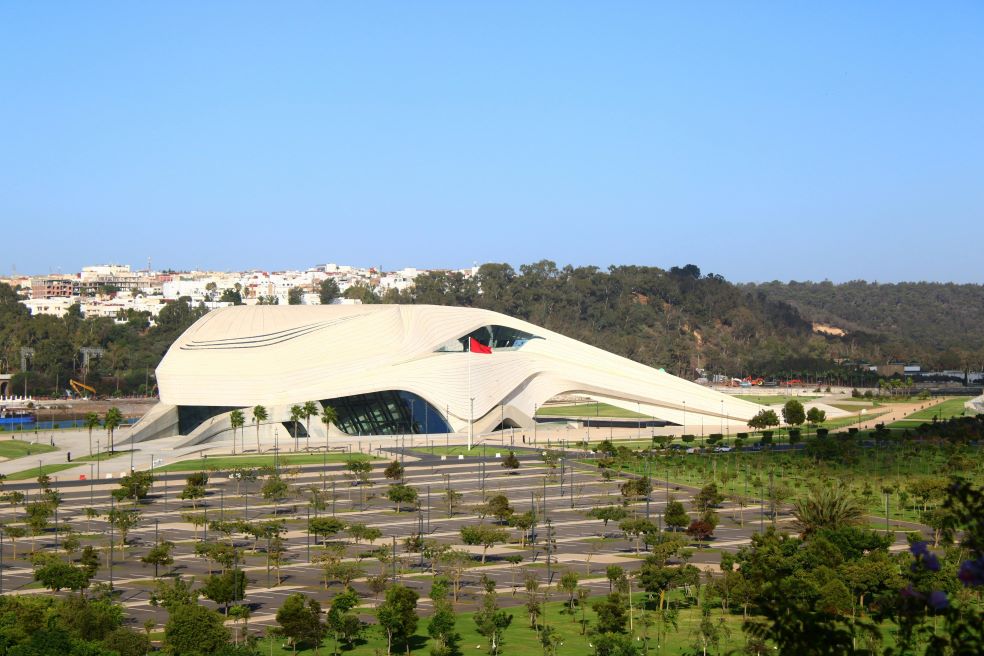
Morocco didn’t stumble into success; they engineered it with a $65 million strategic bet made sixteen years ago: the launch of the Académie Mohammed VI de Football in 2009. The framework they established is the blueprint for Pan-African football excellence.
| Key Pillar | Moroccan Model in Action | The Pan-African Lesson |
| 1. Strategic National Alignment | The academy is embedded in national policy, ensuring full government and federation support (FRMF), not just relying on a club or private entity. | Football must be a national priority—a tool for social and economic development, backed by long-term state policy and funding. |
| 2. Holistic Player Development | Blends elite training with a rigorous academic curriculum for young talents, guaranteeing education regardless of their football future. | Invest in the person, not just the player. This creates well-rounded individuals and future leaders, reducing the ‘talent-drain’ risk. |
| 3. World-Class Infrastructure | 18 hectares of FIFA-standard pitches, medical centers, and living quarters in Rabat, providing an environment comparable to top European clubs. | No compromises on quality. African talent deserves world-class facilities to compete with the world’s best. |
| 4. Inclusive Scouting | Actively draws talent from all regions and underprivileged areas, not just urban hubs or the diaspora. | Tap the entire continent’s potential. A robust scouting network must reach every corner of every nation. |
| 5. Sustainable Financial Model | Structured for reinvestment, where player transfers and development feed the next generation of infrastructure and talent. | Create a virtuous cycle. Profit from successful player sales should be ring-fenced to fuel grassroots development, making success self-sustaining. |
| 6. Patience & Long-Term Vision | The 2009 investment is paying massive dividends now. Success is measured in decades, not seasons. | Immediate results are a distraction. True excellence requires unwavering commitment and patience for an entire generation to mature. |
The Call to Action for Pan-African Football
Morocco has positioned itself as the engine of African football, and this is a mantle the entire continent should embrace. Morocco’s success is not an isolated incident; it’s a replicable model.
For Africa to dominate the global stage—from World Cups to youth tournaments—we must move away from the unsustainable model of reliance on raw, unschooled talent and short-term private fermes (farms).
My conviction is clear: African federations and visionary investors must now commit to:
- Replicate the Mohammed VI Academy model across key regional hubs in Africa, tailoring the strategic alignment to local contexts.
- Focus on high-quality coaching development alongside infrastructure, ensuring the continent retains its intellectual capital in the game.
- Forge strategic, ethical partnerships with global football bodies to protect and reinvest in our local talent pipelines.
The future of the beautiful game belongs to Africa. But that future won’t just happen—it must be engineered with vision, capital, and relentless commitment.
The time to invest in, promote, and build the next era of Pan-African football is NOW.